Price Match Secrets: How to Force Major Retailers to Honor Competitor Prices (Stash the Difference)
Updated 2026-07-07 11:40:35
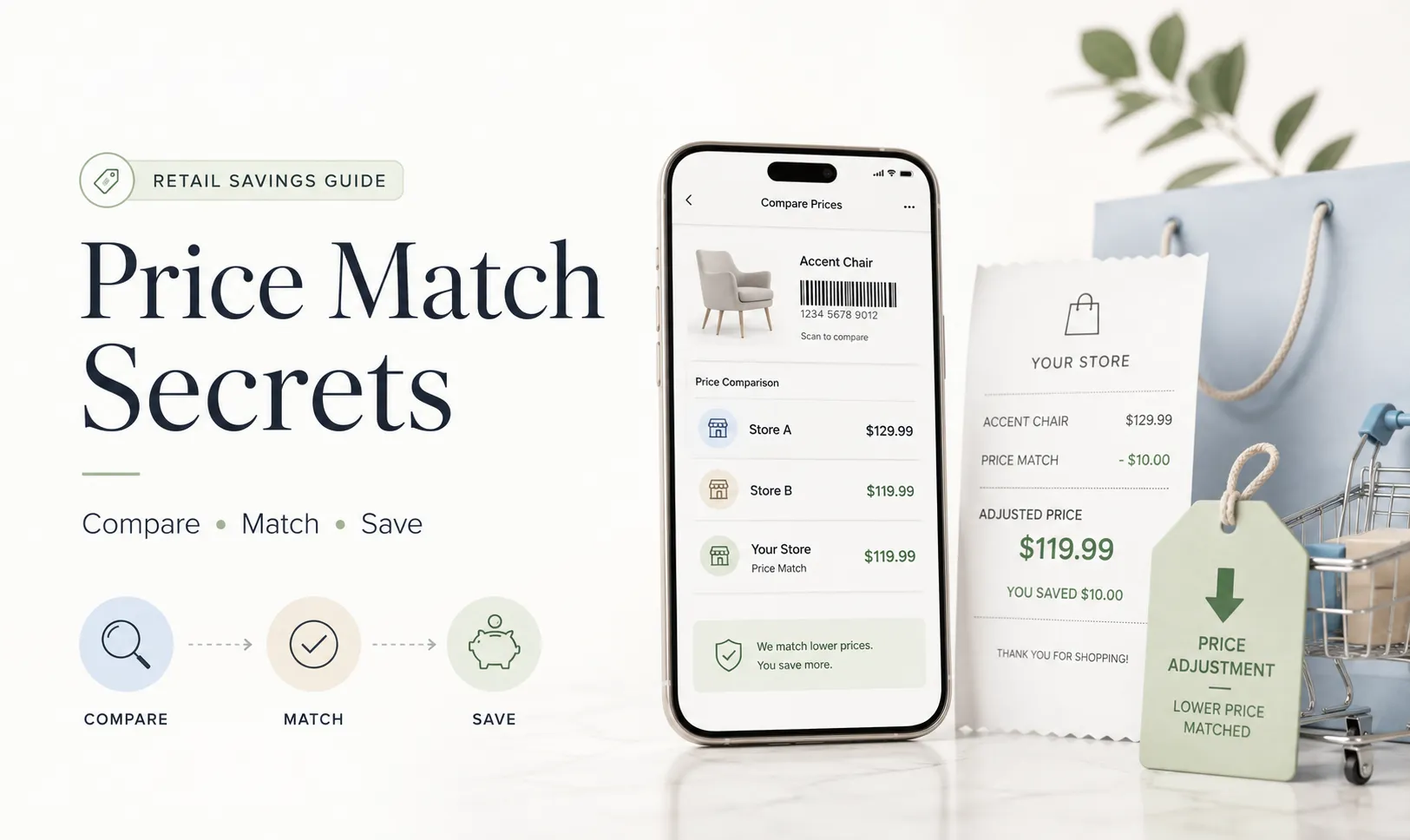
Most major retail giants—including Best Buy, Target, Walmart, and Home Depot—have a formal Price Match Guarantee prominently displayed on their websites. It is an insurance policy designed to give consumers confidence that they don’t need to store-hop to get the best deal.
However, corporate entities intentionally write these policies with strict, complicated parameters so that 99% of shoppers never actually bother to use them. If you learn the exact rules of engagement, you can use your smartphone at the brick-and-mortar register to instantly force prices down to match the absolute lowest internet baseline.📍
1. Mastering the "Exact-Match SKUs" Rule
The number one reason store associates deny a price match is a failure to meet the "identical product" standard. Retailers track products using an internal identification number called a SKU (Stock Keeping Unit) or an external barcode called a UPC (Universal Product Code).
-
The Hack: To match a price, the brand, model number, color, packaging size, and specifications must be 100% identical. Big-box stores know this, so they often ask manufacturers to create slightly modified versions of popular items just for them (e.g., a TV sold at Costco might have a model number ending in "-C", while the identical TV at Best Buy ends in "-B").
-
The Workaround: Before you request a match, open a barcode-scanning app on your phone to verify the UPC number. If you find a matching UPC online at a major competitor, the retailer's software is systematically obligated to honor the price adjustment.
2. The Unadvertised Miracle: Post-Purchase Price Protection
Did you know price matching doesn't end when you leave the store? Almost every major retailer offers a post-purchase adjustment window (typically ranging from 14 to 30 days depending on the store).
-
The Strategy: If you buy a laptop for $800, and it goes on sale for $650 a week later, you do not have to return the item. Simply take your original receipt to the customer service desk (or open a live chat window online). As long as you are within the adjustment window, they will instantly credit the $150 difference directly back to your credit card. Use free browser extensions like Honey or Earny to automatically track your past purchases for sudden price drops.
3. Knowing Who They Will—and Won't—Match
Retailers do not match random, sketchy websites or third-party liquidators. They keep a strict internal list of approved competitors.
-
Approved: They almost universally match direct listings from Amazon (only items shipped and sold by Amazon itself), Walmart.com, Target.com, and major direct manufacturer sites (like Samsung or Apple).
-
Excluded: They will explicitly deny matches against third-party marketplace sellers (like an independent seller operating on eBay or Amazon Marketplace), open-box items, clearance liquidations, or membership-only warehouse clubs (unless you have a valid membership card to show them).