Beyond Cash Back: How to Build a Flexible Points Engine to Fly Business Class for Free
Updated 2026-07-07 12:13:33
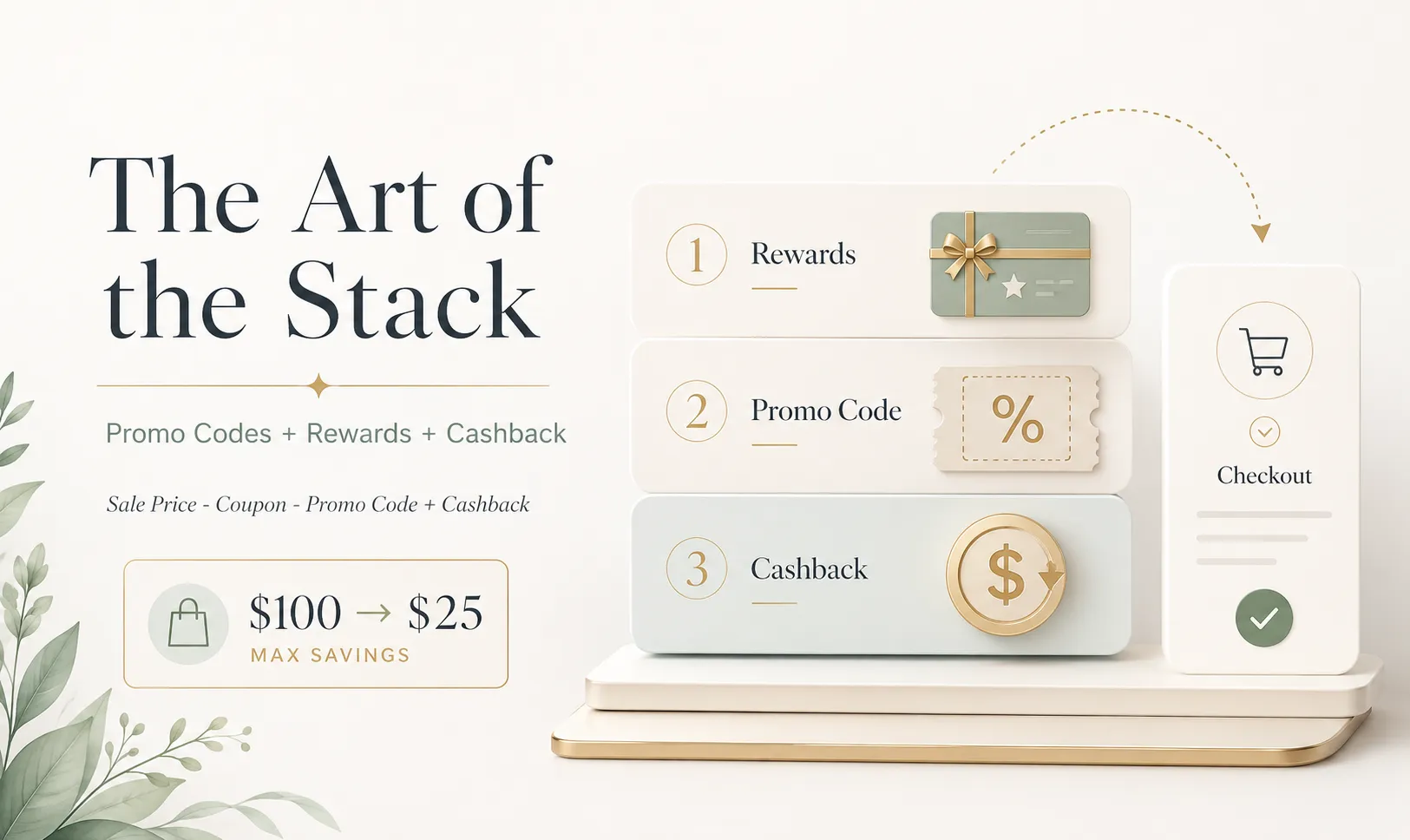
Most shoppers start their money-saving journey by clipping grocery coupons, tracking retail price drops, or collecting 1% to 2% cash back on a standard credit card. While saving $20 on a grocery run or getting $50 back on a statement at the end of the month is great, there is a glass ceiling to cash-back rewards.
If you want to scale your savings into the thousands of dollars, you need to transition from cash back to Transferable Points Currencies.
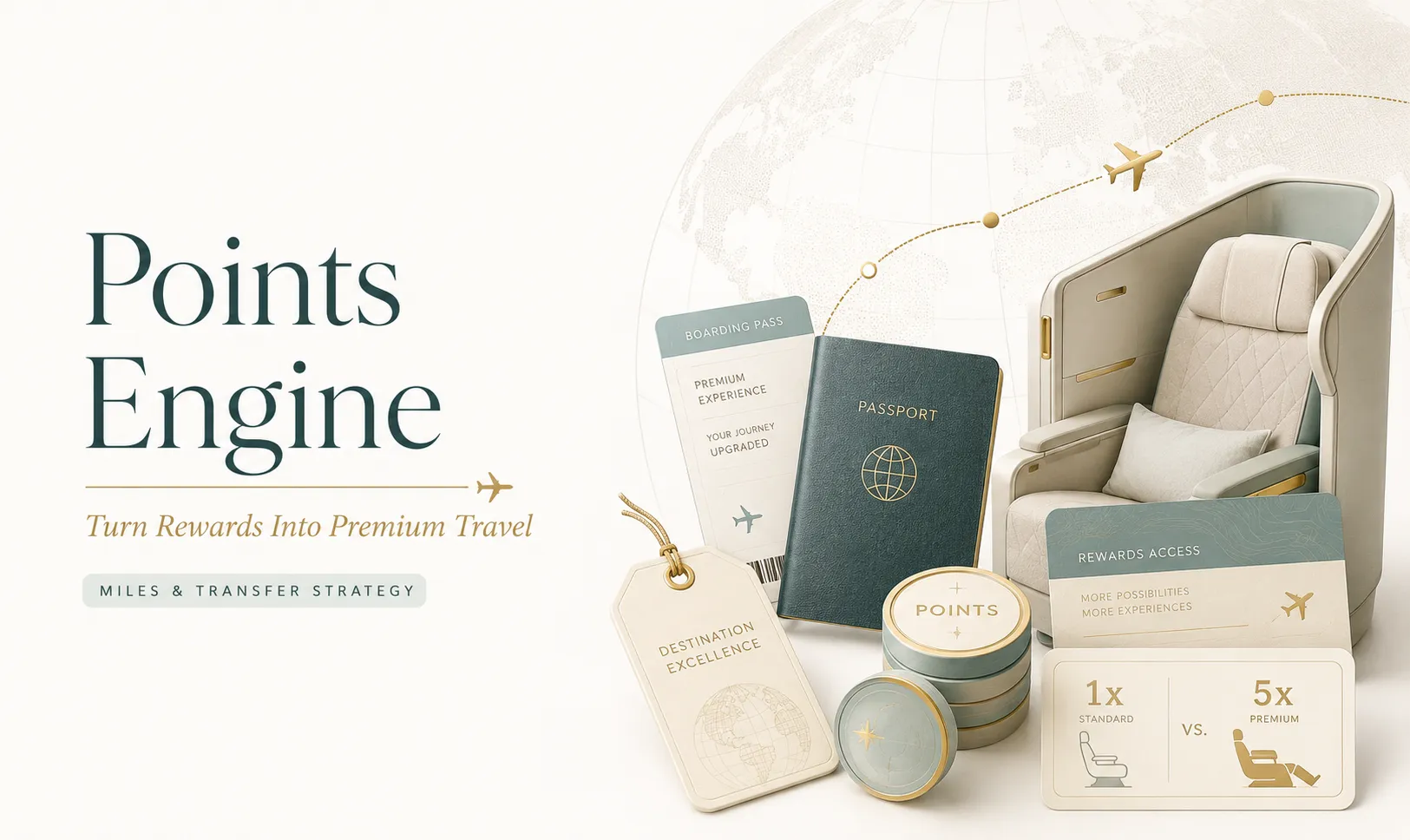
By mastering the "Points & Miles" ecosystem, you can stop treating points like cents and start treating them like assets. This strategy allows advanced savers to book $5,000 international business class flights or $1,000-a-night luxury resort stays for next to nothing out of pocket. Here is the blueprint to building your own flexible points engine.✈️
1. The Golden Rule: Fixed Portals vs. Transfer Partners
The biggest mistake beginners make when they get a premium rewards card is using the bank’s internal travel portal to book a flight.
When you use an internal portal (like booking a flight directly inside a banking app), your points are locked into a fixed cash value—usually exactly 1 cent per point. This means a 100,000-point welcome bonus is worth a flat $1,000.
Advanced point hackers almost never use portals. Instead, they leverage Transfer Partners. Flexible points currencies allow you to move your points completely out of the bank's system and convert them into 1:1 frequent flyer miles or hotel loyalty points with partner airlines and hotel chains.
The Valuation Divide:
[100,000 Points used in a Bank Portal] = Fixed $1,000 Travel Credit
[100,000 Points transferred to an Airline] = A Luxury International Business Class Ticket (Worth $4,000 - $7,000)
2. The Four Major Transferable Ecosystems
To play this game effectively, you need to collect points that aren't tied to a single airline or hotel. You want "convertible" currencies. The four major powerhouse ecosystems are:
-
Chase Ultimate Rewards: The most beginner-friendly ecosystem. Its crown jewel transfer partner is World of Hyatt, where high-end luxury hotel rooms can be booked for a fraction of the points required by competitors like Marriott or Hilton. It also transfers to United, Southwest, and British Airways.
-
American Express Membership Rewards: The undisputed king for international premium cabins. Amex has the largest roster of airline partners, including ANA (All Nippon Airways), Delta, Air France/KLM, and Singapore Airlines. It is the best currency for booking business and first-class flights to Europe and Asia.
-
Capital One Miles: A incredibly simple, flat-rate earning ecosystem. It features excellent transfer options to international alliances, including Air Canada (Aeroplan), British Airways, and Turkish Airlines.
-
Citi ThankYou Points: Known for unique "sweet spots" and partnerships with international carriers like Qatar Airways, Avianca (Lifemiles), and Virgin Atlantic, offering some of the lowest points-priced itineraries available on the global market.
3. Anatomy of a "Sweet Spot" Redemption
To understand how points generate massive value, let’s look at a real-world example of an airline alliance "sweet spot."
Imagine you want to fly from Los Angeles to Tokyo in a luxury Business Class pod. If you went to buy that ticket in cash, it would easily retail for $5,000+. If you tried to buy it using a standard cash-back card, you would have to spend $500,000 on that card to earn enough cash back to pay for it.
Instead, an advanced points strategist utilizes an alliance transfer trick:
-
The Blueprint: Virgin Atlantic is an official transfer partner of American Express and Chase. Virgin Atlantic is also in a global alliance with ANA (All Nippon Airways).
-
The Execution: Instead of searching the expensive U.S. carriers, you transfer roughly 45,000 to 60,000 credit card points to Virgin Atlantic. You then use those Virgin Atlantic miles to book an official partner award seat directly onto a luxury ANA-operated flight.
By routing your points through an international partner alliance, you extract roughly 8 to 10 cents per point in real-world value. You just secured a $5,000 luxury experience for the exact same amount of points a casual shopper would waste on a $500 domestic economy ticket inside a basic travel portal.
4. Managing the "Earn and Burn" Strategy
The ultimate rule of advanced points management is simple: Points are not long-term investments; they are bad long-term savings vehicles.
Airlines and hotels routinely alter their reward systems, increasing the number of points required for a free flight or night stay—a process known as devaluation. Because points do not earn interest and are subject to corporate inflation, your goal should always be to "earn and burn."
Formulate a travel goal first (e.g., "I want to take my family to Hawaii next summer"), figure out which airline and hotel partners serve that route best, open the specific transferable credit cards that feed those exact partners, hit the minimum spend requirements through your normal daily transactions, and book the trip. Never sit on millions of points for years; use them to fund your experiences while their purchasing power is at its peak.